Setting
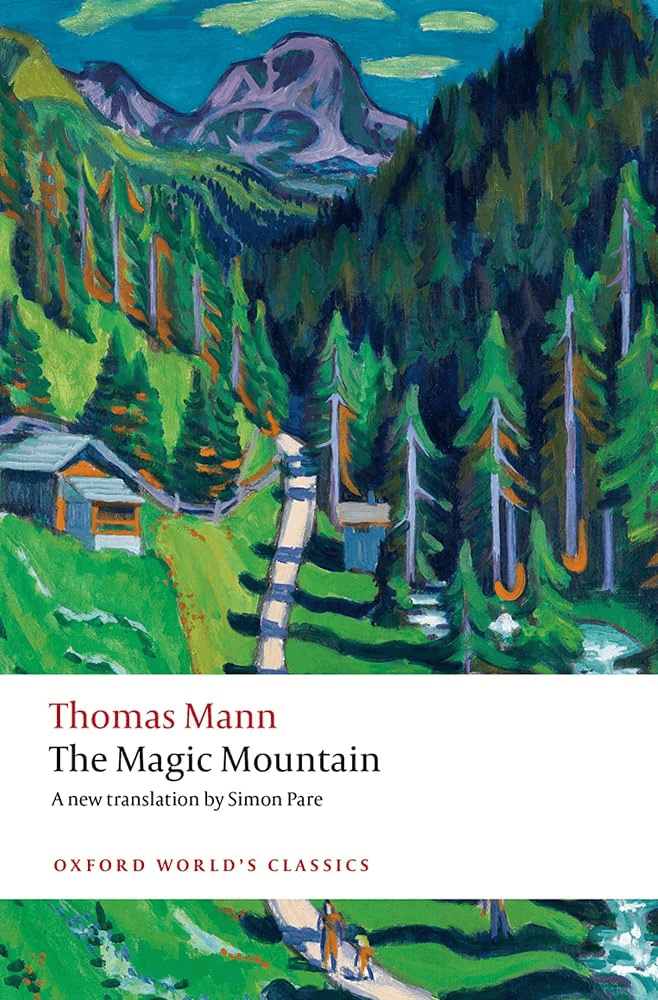
- [Plot] [Hans Castorp is sent to the Berghof sanatorium] Hans Castorp, the protagonist, falls ill and is sent to a sanatorium called Berghof.
- [Atmosphere] [Time passes strangely within the sanatorium] In the sanatorium, time seems to pass in a strange and almost surreal manner.
- [Setting] [The sanatorium is isolated from society] The setting is completely isolated and detached from the rest of society, creating a unique atmosphere.
Ideological Debate
- [Political microcosm] [The sanatorium embodies the conflicts preceding World War I] The novel presents a microcosm of the ideological conflicts leading up to World War I, with each character embodying a distinct ideology.
- [Ideologies] [The characters represent competing political and philosophical worldviews] These ideologies include Marxism, secularism, capitalism, and fascism.
- [Conflict] [The characters compete to shape Hans's worldview] Each character attempts to persuade Hans that their worldview is the correct one, creating a rich tapestry of philosophical and political discourse.
Bildungsroman
- [Genre] [The novel parodies the traditional Bildungsroman] The novel is a parody of the traditional Bildungsroman, or coming-of-age story.
- [Subversion] [Hans reaches no definitive conclusion after seven years] Instead of discovering the “correct” way of life after experiencing various perspectives, Hans spends seven years in the sanatorium without reaching any definitive conclusions.
- [Theme] [Hans's unanswered questions reflect the complexity of life] This reflects the ambiguity and complexity of real life, leaving Hans with more questions than answers.
- [Critical assessment] [The novel represents the culmination of the Bildungsroman] The Magic Mountain is considered the “final word” on the Bildungsroman genre. In fact, there have been few innovative works in this genre since, as if it has reached its creative limits.
Author
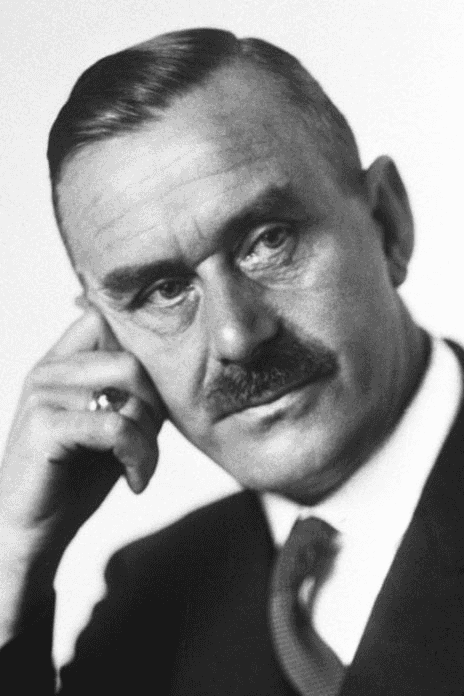
- [Recognition] [Thomas Mann received the 1929 Nobel Prize in Literature] Thomas Mann, the author of The Magic Mountain, was awarded the Nobel Prize in Literature in 1929 for his outstanding contributions to literature.
No comments have been added to this post so far, be the first to add one comment!